
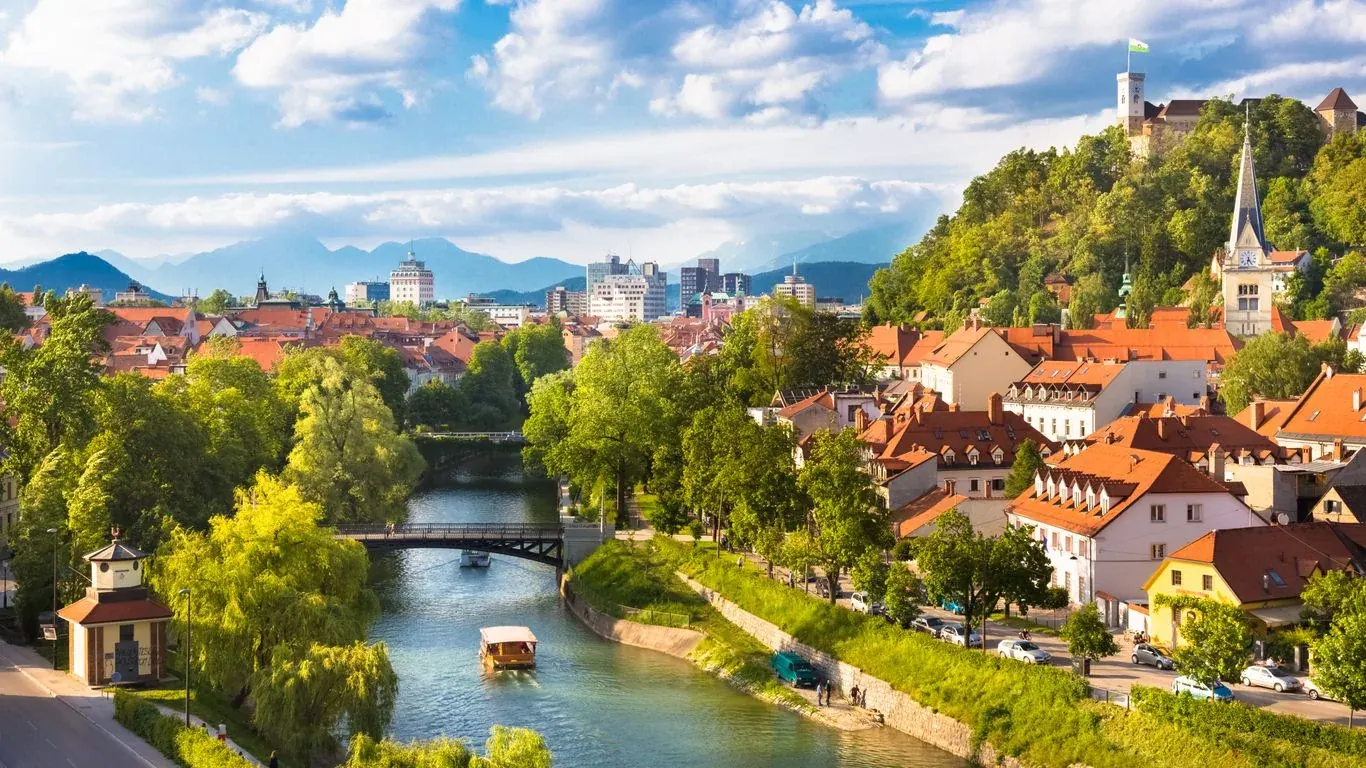
For many international guests, the word "Balkans" is still associated with images and events from the 1990s. The reality of travelling through the region today looks completely different.
Millions of tourists visit Croatia, Slovenia, Bosnia and Herzegovina, Montenegro, Serbia, Albania and North Macedonia every year.
In busy tourist areas, keep an eye on your belongings and documents.
Popular tourist centres have well-developed hotel, transport and hospitality infrastructure.
As anywhere in Europe, travellers should take the usual precautions.
In busy tourist areas, keep an eye on your belongings and documents.
When driving, it's important to adapt your speed to local roads, especially in mountain areas.
Travellers crossing several borders should check documents and entry rules for their nationality in advance. It's also worth checking official travel advice shortly before departure, as administrative rules can change.
What surprises many guests is how quickly they feel at ease in the region. Local people are known for their hospitality and willingness to help. English is widely spoken in tourist facilities and among younger people. For travellers who want extra reassurance and simpler logistics, a privately organised trip provides local support throughout the stay. This is especially useful for multi-country programmes. It's important, however, to avoid claiming that any destination is completely risk-free. A good traveller stays informed, behaves sensibly and travels with good planning. For most guests, the biggest surprise of the Balkans isn't a feeling of insecurity.
Quite the opposite — it's how quickly they start to feel welcome.