
On a map, the Balkans can look complicated because of the number of countries, borders, languages and currencies.
In reality, with a well-planned route, this is one of the most interesting regions in Europe for a multi-country trip.
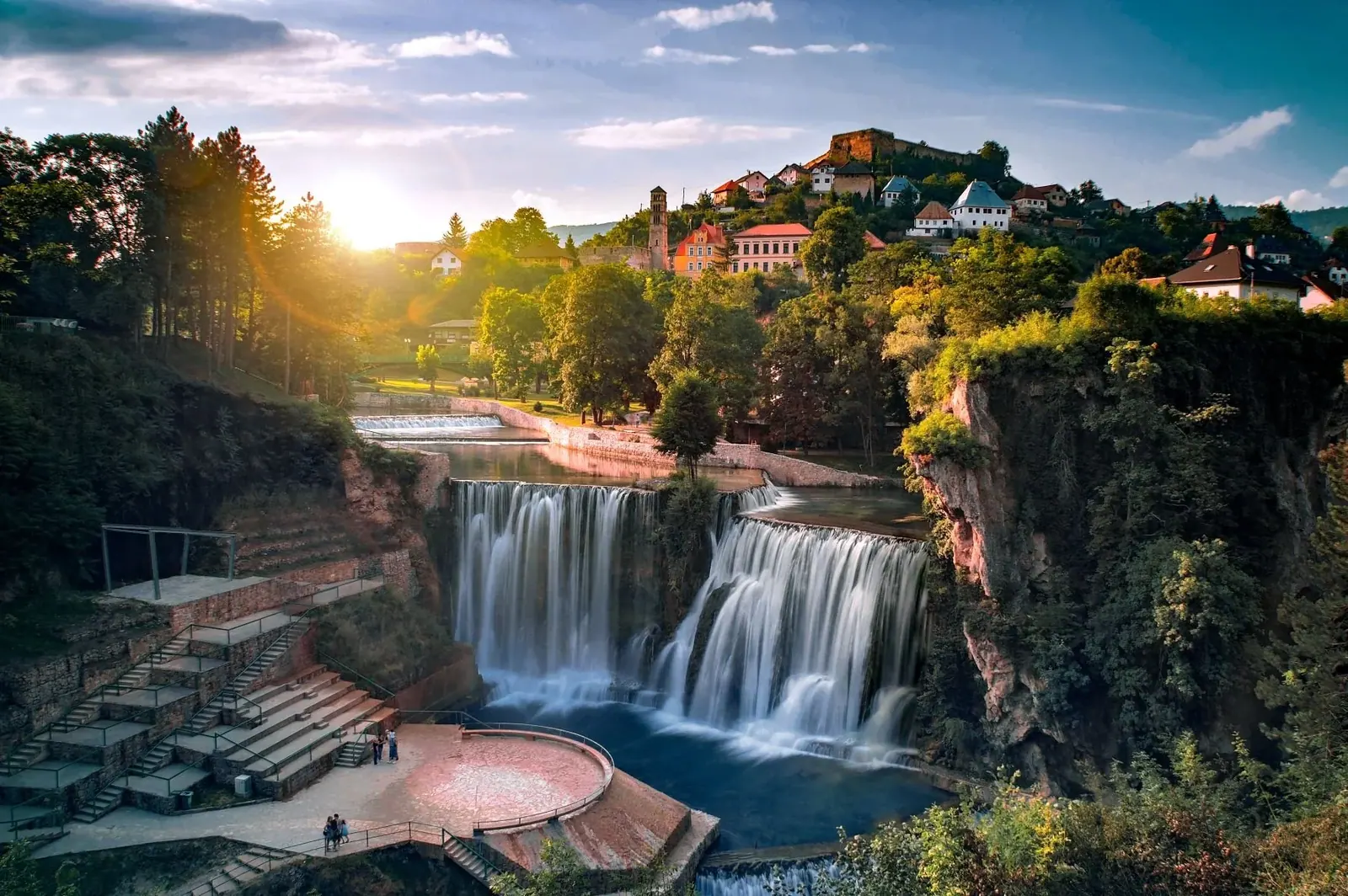
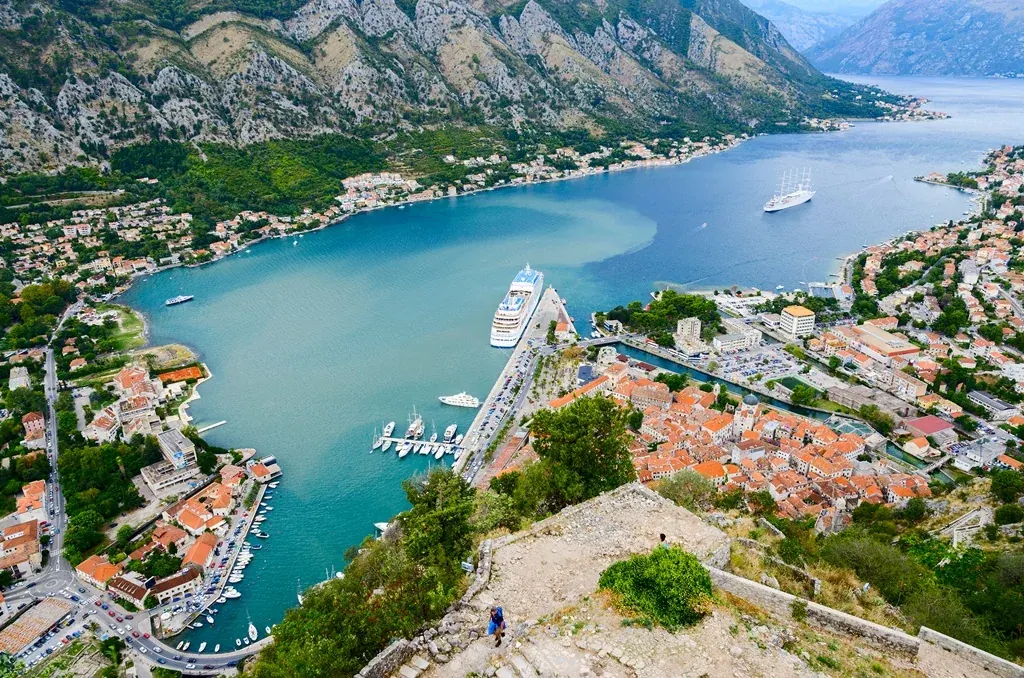
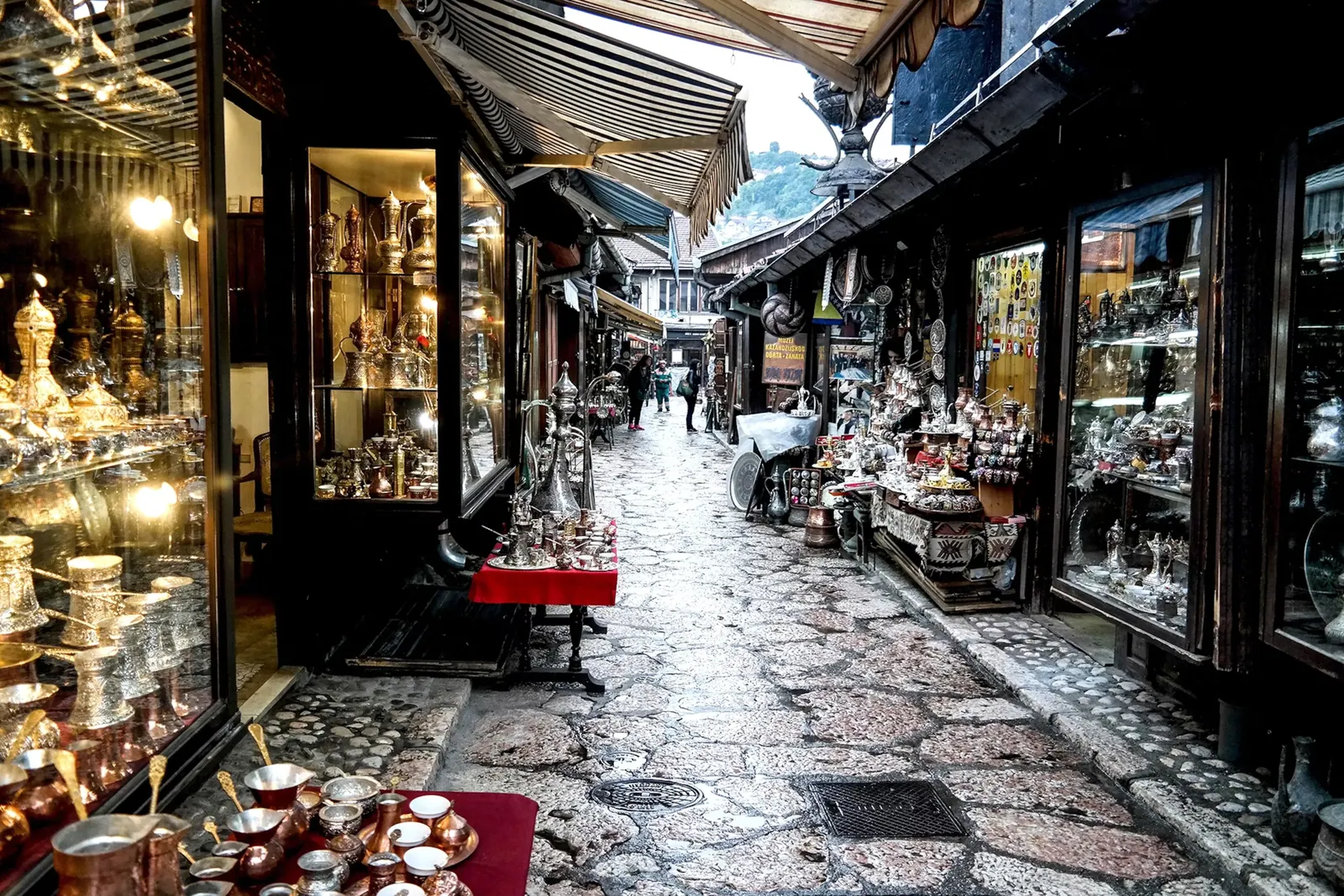
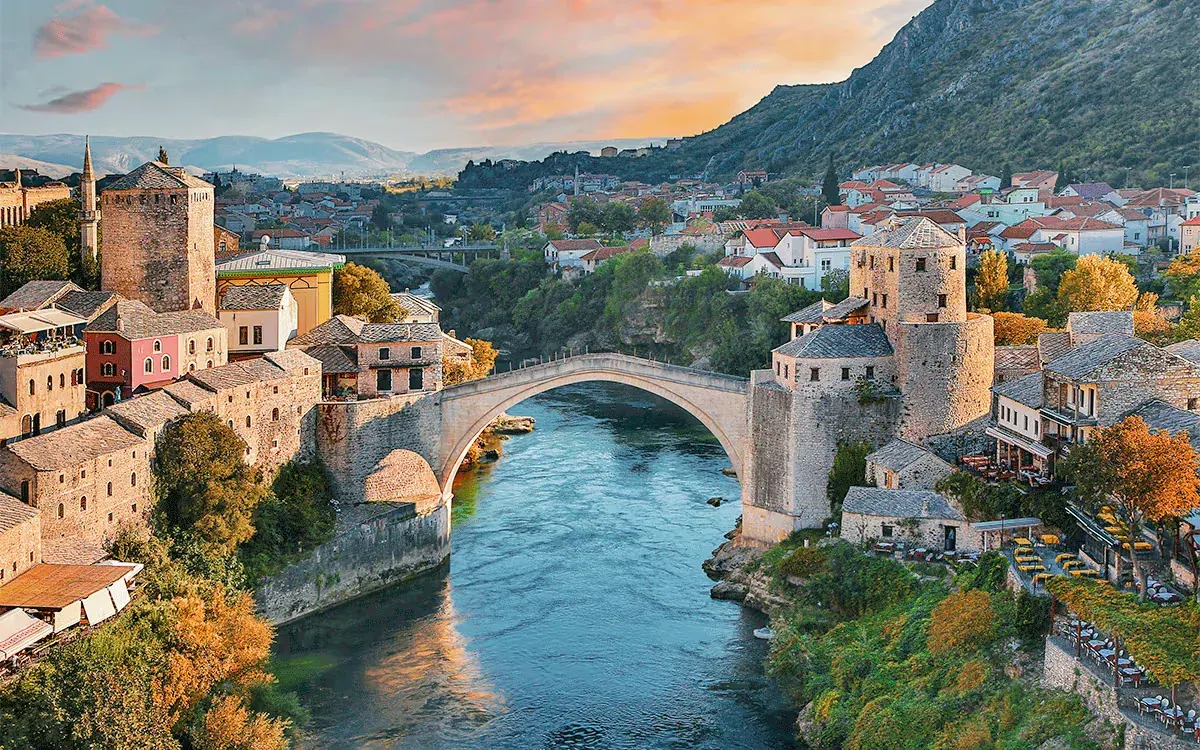
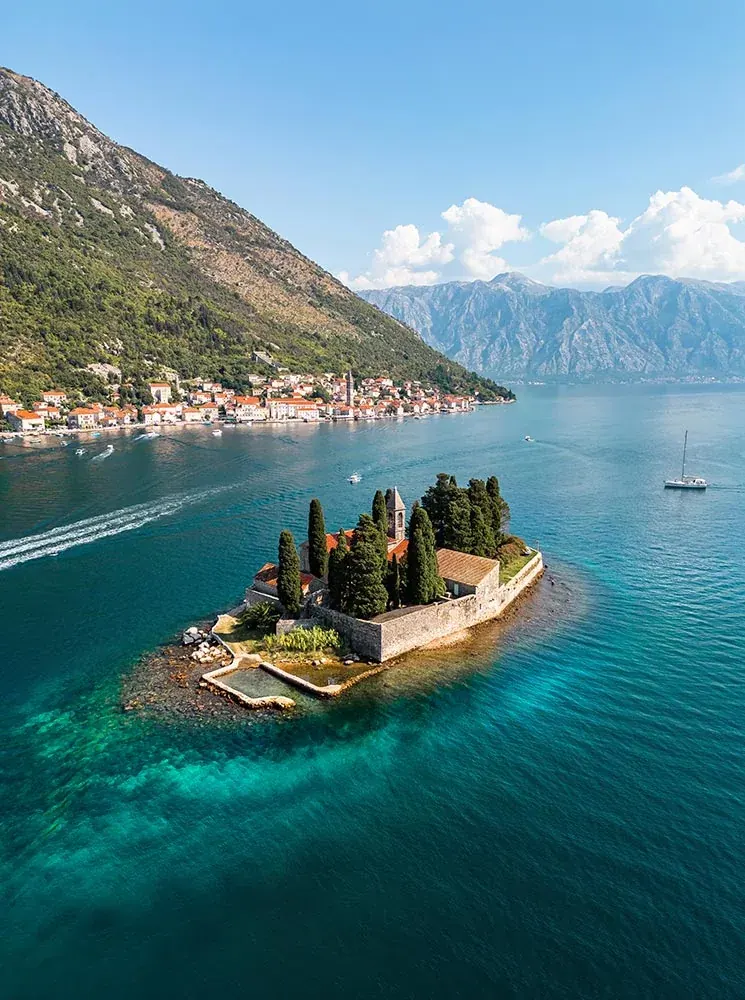
Dubrovnik, Mostar, Sarajevo and Kotor can be linked into a very logical and attractive route.
The biggest mistake travellers make is trying to visit six or seven countries in ten days.
You will have a far better experience if you choose two or three countries and get to know them at a slower pace.
For a first trip, combinations of Croatia, Bosnia and Herzegovina and Montenegro are especially rewarding.
Dubrovnik, Mostar, Sarajevo and Kotor can be linked into a very logical and attractive route.
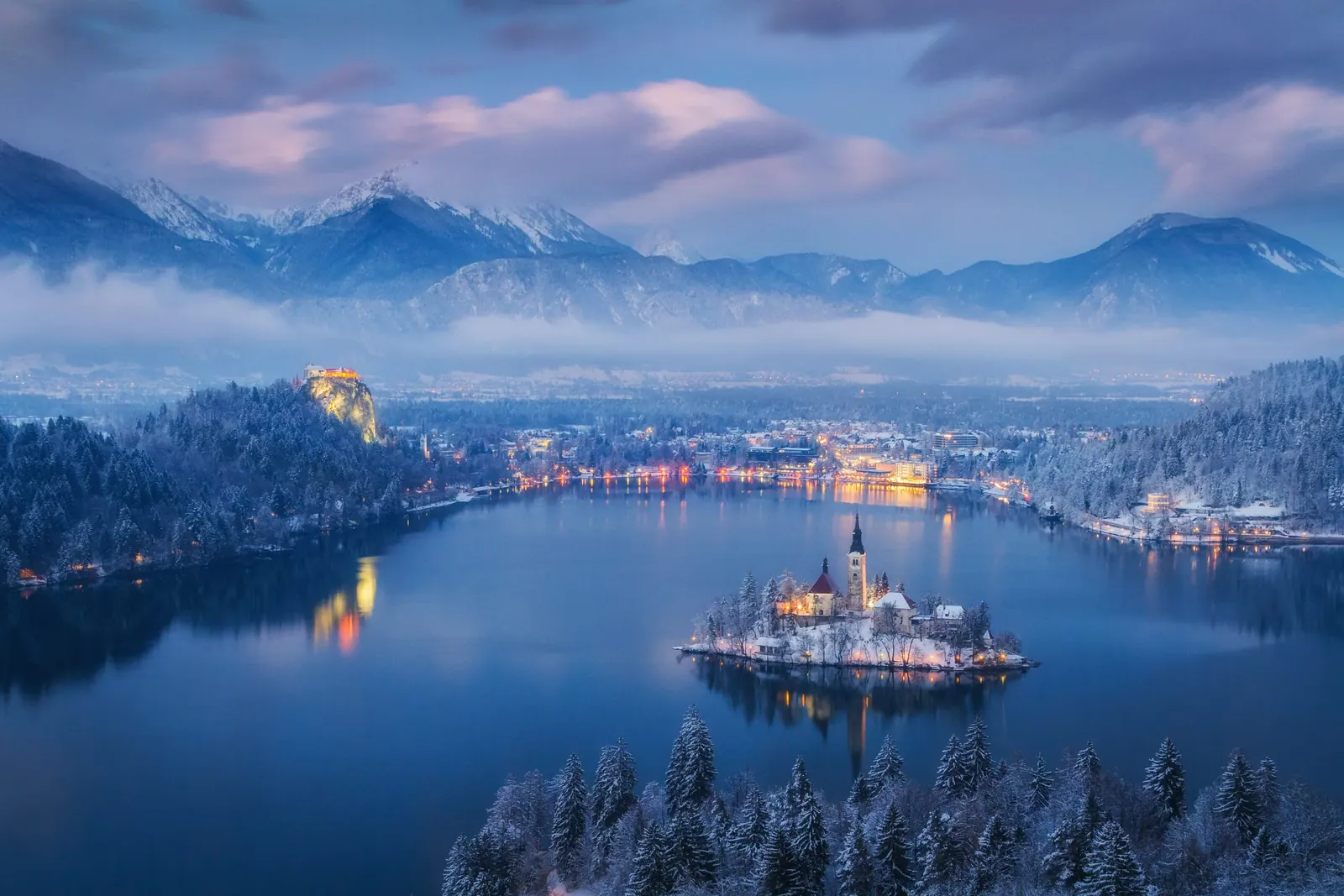
If you have more time, you can add Slovenia, Albania or North Macedonia.
Keep in mind that the Balkans have no single currency, so how you pay depends on the country you are visiting. English is widely spoken in tourist areas, especially among younger people and those working in tourism. In larger cities and well-known destinations you will easily find good hotels, restaurants and tourist services.
Travelling between countries takes a little more planning than travel within Western Europe, especially if you want to visit smaller places. Private transfers can therefore be an excellent option for travellers who want to make the most of their time.
Summer is ideal for combining cities with the Adriatic, while May, June, September and early October are excellent for round trips. Don't plan only the main sights, because some of the best memories are made in between.
Leave time for a local lunch, a market, a small winery or a spontaneous stop along the way.
The Balkans are best discovered slowly, with good local advice.
Once you understand the rhythm of the region, you will quickly see why so many travellers want to come back.